

Dog Grooming vs Cat Grooming: Which is Right for Your Pet?

Comprehensive Grooming Guides by Species: Expert Techniques for Dogs, Cats, and Horses
Grooming is an essential aspect of pet care that significantly impacts the health and well-being of animals. Each species—dogs, cats, and horses—has unique grooming needs that require specific techniques and tools. This comprehensive guide will delve into the essential grooming practices for these three popular pets, ensuring their coats remain healthy and their skin is well cared for. Many pet owners struggle with understanding the best grooming practices for their animals, leading to issues such as matting, skin irritations, and overall discomfort. By following the expert techniques outlined in this article, pet owners can enhance their grooming routines and improve their pets’ quality of life. We will explore the essential grooming techniques for dogs, cats, and horses, discuss tailored grooming schedules, and address common grooming challenges.
What Are the Essential Dog Grooming Techniques for Optimal Coat and Skin Health?
Dog grooming is vital for maintaining a dog’s coat and skin health. Regular grooming helps remove dirt, debris, and loose hair while promoting healthy skin and coat. Essential techniques include brushing, bathing, and nail trimming, which collectively contribute to a dog’s overall hygiene and comfort. Understanding the specific grooming needs of different breeds is crucial, as coat types can vary significantly.
How Often Should You Brush and Bathe Your Dog for Best Results?
The frequency of brushing and bathing your dog depends on its breed and coat type. Generally, dogs with long or thick coats require more frequent brushing—at least 2-3 times a week—to prevent matting and tangles. Bathing should occur every 4-8 weeks, but this can vary based on the dog’s activity level and skin condition. Regular grooming not only keeps the coat clean but also allows for early detection of skin issues.
Which Grooming Tools Are Recommended for Different Dog Breeds?
Selecting the right grooming tools is essential for effective dog grooming. Here are some recommended tools based on different dog breeds:
- Slicker Brush: Ideal for long-haired breeds like Golden Retrievers and Shih Tzus to remove tangles and loose hair.
- Undercoat Rake: Best for double-coated breeds such as Huskies and German Shepherds to remove undercoat without damaging the top coat.
- Nail Clippers: Essential for all breeds to maintain nail health and prevent discomfort.
Using the appropriate tools ensures a more efficient grooming process and enhances the dog’s comfort during grooming sessions.
It is important to remember that using the correct grooming tools is paramount for maintaining a pet’s health and preventing common issues like matting.
The Importance of Right Grooming Tools for Pet Health
Every pet owner knows the experience: a dog shaking loose a cloud of fur across the living room, a cat presenting a matted flank that took weeks to develop unnoticed, or a rabbit whose coat has silently become a tangled mass underneath a perfectly tidy topcoat. These are not signs of a neglectful owner they are signs of a gap between intention and the rightpet grooming toolfor the job. The good news is that the right equipment, used regularly at home, closes that gap entirely.
Pet Grooming Tools: Blow Dryers, Combs & Professional Kit Guide
What Are the Key Cat Grooming Essentials to Prevent Matting and Maintain Coat Quality?
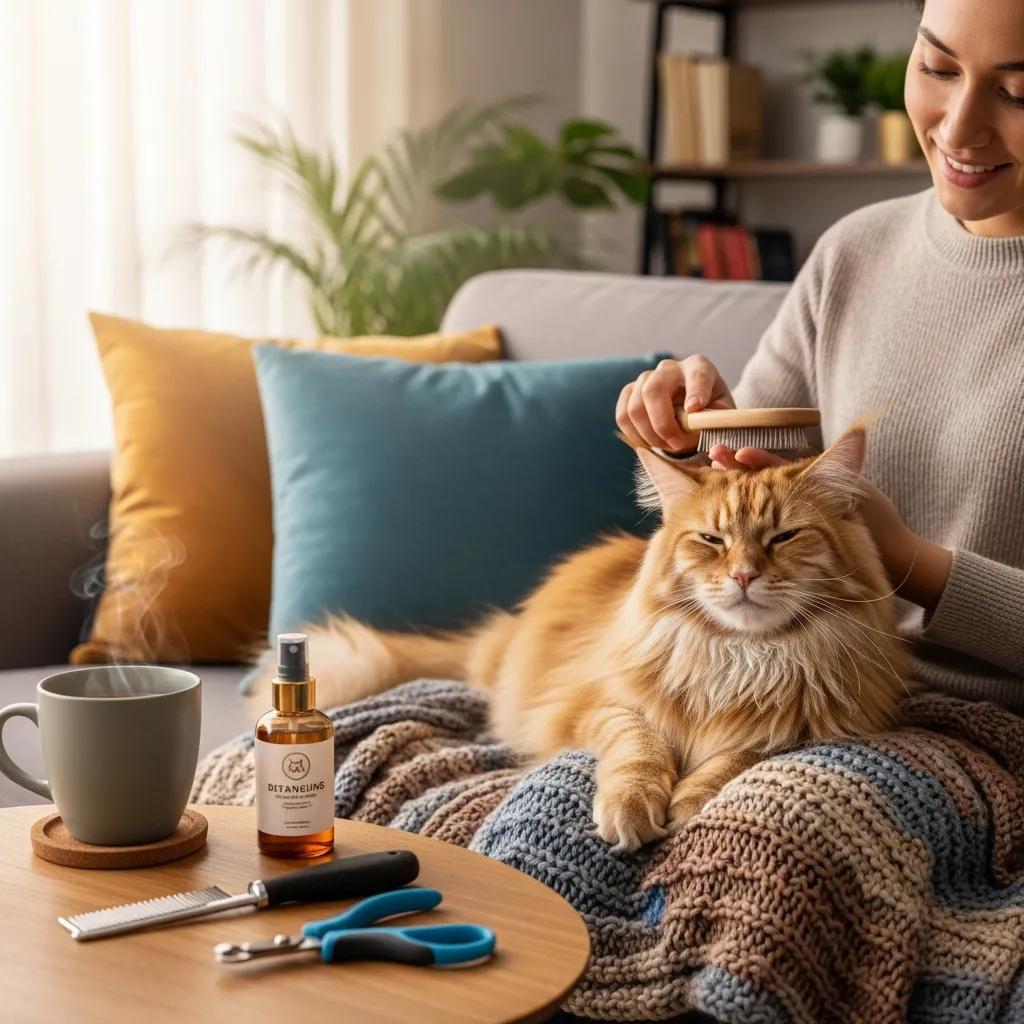
Cat grooming is equally important, as it helps prevent matting and maintains coat quality. Regular grooming sessions can reduce shedding and hairballs while promoting a healthy coat. Cats, especially long-haired breeds, require specific grooming techniques to keep their fur in optimal condition.
How Does Cat Grooming Differ from Dog Grooming in Practice?
Cat grooming differs from dog grooming primarily in the tools used and the approach taken. Cats are generally more sensitive to grooming, so gentle techniques are essential. While dogs may enjoy baths, most cats do not, making brushing the primary grooming method. Additionally, cats often groom themselves, so the focus should be on maintaining their coat and addressing any tangles or mats.
What Are the Best Practices for Nail Trimming and Coat Care in Cats?
Nail trimming is a crucial aspect of cat grooming. It is recommended to trim a cat’s nails every 2-4 weeks, depending on their activity level. For coat care, regular brushing—at least once a week for short-haired cats and several times a week for long-haired breeds—helps prevent matting and reduces shedding. Using a soft brush can make the process more enjoyable for the cat.
Which Horse Grooming Tools and Bathing Techniques Promote Healthy Skin and Coat?
Horse grooming is essential for maintaining a horse’s skin and coat health. Regular grooming helps remove dirt, debris, and loose hair while promoting circulation and skin health. Essential grooming tools include brushes, combs, and hoof picks, each serving a specific purpose in the grooming process.
How Often Should Horses Be Bathed and Groomed Seasonally?
Horses should be groomed daily, especially during shedding seasons, to help remove loose hair and dirt. Bathing should be done as needed, typically every few weeks, depending on the horse’s activity level and the weather. In warmer months, more frequent bathing may be necessary to keep the horse comfortable and clean.
What Are the Essential Grooming Products for Equine Coat Maintenance?
Using quality grooming products is vital for maintaining a horse’s coat. Essential products include:
- Curry Comb: Helps loosen dirt and hair from the coat.
- Body Brush: Removes dust and debris while smoothing the coat.
- Hoof Oil: Keeps hooves moisturized and healthy.
These products contribute to a horse’s overall appearance and health, ensuring a shiny coat and well-maintained hooves.
How Can Pet Grooming Schedules Be Tailored to Species-Specific Needs?
Tailoring grooming schedules to the specific needs of each species is crucial for optimal pet care. Understanding the unique grooming requirements of dogs, cats, and horses allows pet owners to create effective grooming routines that promote health and comfort.
What Are the Recommended Grooming Frequencies for Dogs, Cats, and Horses?
The recommended grooming frequencies vary by species:
- Dogs: Brush 2-3 times a week; bathe every 4-8 weeks.
- Cats: Brush once a week for short-haired; several times a week for long-haired.
- Horses: Daily grooming; bathing every few weeks as needed.
These frequencies help maintain coat health and prevent common grooming issues.
How Do Seasonal Changes Affect Grooming Routines Across Species?
Seasonal changes can significantly impact grooming routines. For example, during shedding seasons, dogs and horses may require more frequent grooming to manage loose hair. Additionally, changes in weather can affect bathing frequency; warmer months may necessitate more baths to keep pets clean and comfortable. Adjusting grooming routines according to the seasons ensures that pets receive the care they need throughout the year.
What Are the Common Grooming Challenges and Solutions for Dogs, Cats, and Horses?
Grooming can present various challenges, including matting, skin irritations, and behavioral issues. Understanding these challenges and their solutions is essential for effective grooming.
How to Prevent and Treat Matting and Skin Irritations Effectively?
To prevent matting, regular brushing is key, especially for long-haired breeds. If mats do form, they should be carefully removed with a dematting tool or scissors. For skin irritations, regular grooming helps keep the skin clean and allows for early detection of issues. If irritations occur, consulting a veterinarian for appropriate treatment is advisable.
Which Products Provide Scientifically Backed Relief and Coat Improvement?
Using scientifically backed grooming products can enhance coat health and address specific issues. Products containing natural ingredients, such as oatmeal or aloe vera, can soothe irritated skin and promote a healthy coat. Regular use of these products can lead to noticeable improvements in coat quality and overall skin health.
Which Grooming Tools and Products Are Scientifically Proven to Enhance Animal Coat Care?
Selecting the right grooming tools and products is crucial for effective coat care. Various tools and products have been scientifically proven to enhance grooming outcomes.
What Are the Benefits of Using Natural and Eco-Friendly Grooming Products?
Natural and eco-friendly grooming products offer several benefits, including:
- Reduced Allergens: Fewer chemicals mean less risk of allergic reactions in pets.
- Environmental Safety: Eco-friendly products are safer for the environment.
- Skin Health: Natural ingredients can promote healthier skin and coats.
These benefits make natural grooming products a preferred choice for many pet owners.
How to Select the Right Grooming Tools Based on Species and Coat Type?
Choosing the right grooming tools involves considering the species and coat type. For example, slicker brushes are ideal for long-haired dogs, while rubber brushes work well for short-haired cats. Understanding the specific needs of each animal ensures effective grooming and enhances the overall grooming experience.